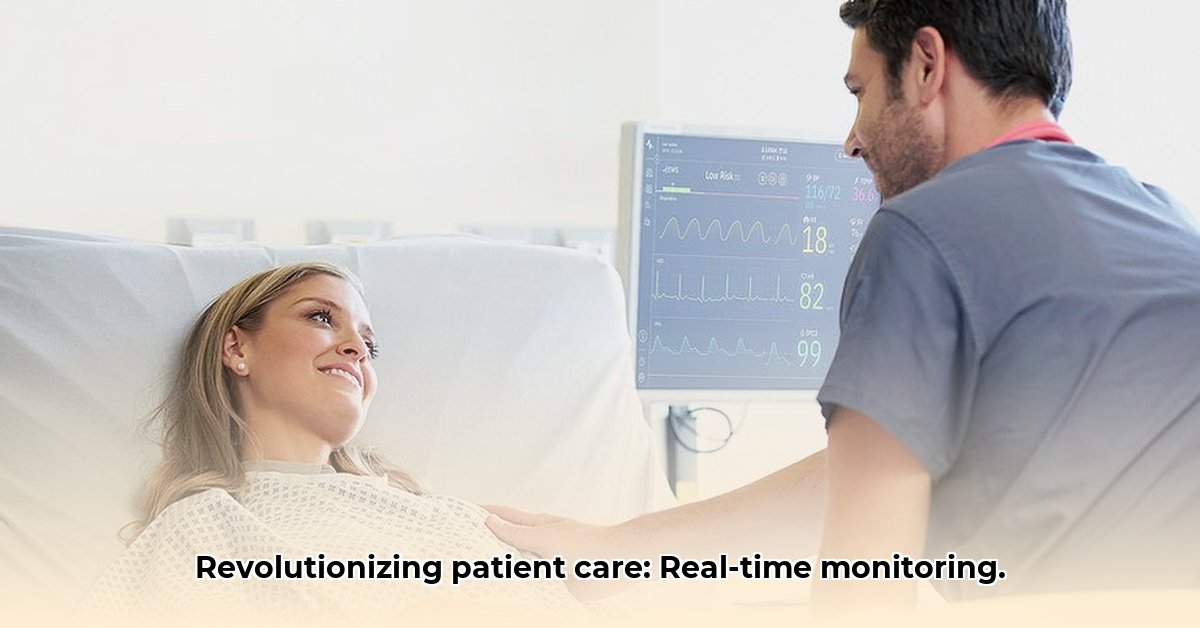
Biopeak GmbH is transforming healthcare delivery with its innovative remote patient monitoring (RPM) system. This system leverages a sophisticated network of sensors, advanced algorithms, and artificial intelligence (AI) to continuously track vital patient signs, enabling proactive intervention and potentially improving patient outcomes. This article delves into the technical aspects of the system, its market position, and actionable strategies for maximizing its impact.
Biopeak's Technology: A Deep Dive
Biopeak's RPM system distinguishes itself through its precise and real-time data collection capabilities. The system's proprietary sensors accurately monitor key health indicators, transmitting this crucial information instantaneously, a significant improvement over traditional methods which rely on infrequent check-ups. How does this real-time data translate into better patient care? The system's embedded AI algorithms analyze this constant stream of data, identifying potential health issues before they escalate into critical situations. This early warning system allows healthcare providers to intervene proactively, potentially leading to more effective treatment strategies and improved patient outcomes.
But how accurate is the data? What's the margin of error in its predictions? A thorough analysis of the system's precision metrics relative to traditional methods would strengthen the credibility of these claims. Furthermore, understanding the computational complexity and energy efficiency of the algorithms used is critical for assessing the system's scalability and long-term viability. Addressing these technical specifics enhances transparency and builds stronger confidence in the technology.
Market Landscape and Opportunities
The potential market for Biopeak's technology is substantial, addressing a critical need for improved remote patient care. However, successful market penetration requires navigating several key challenges. Currently, we lack concrete data on market adoption rates and the system's current market share, hindering a clear assessment of its competitive position. Furthermore, comparative cost-effectiveness analyses against existing RPM solutions and traditional care models are needed to establish a strong return on investment (ROI) for healthcare providers. Demonstrating tangible cost savings through reduced hospital readmissions or fewer emergency room visits will be crucial for wide-scale adoption. Furthermore, navigating the regulatory landscape and securing necessary approvals in diverse healthcare markets presents strategic complexities.
Actionable Strategies for Success
The successful integration and deployment of Biopeak's RPM system necessitates a collaborative effort involving multiple stakeholders. This calls for a carefully coordinated approach addressing both short-term and long-term goals.
Key Takeaways:
- Biopeak's RPM system offers significant potential for improving patient care, but success hinges on addressing technical and market challenges.
- A multi-faceted strategy, involving collaboration across various stakeholder groups, is crucial for effective implementation and maximum benefit.
- Continuous monitoring, data security, regulatory compliance, and cost-effectiveness are central for widespread integration and sustainable growth.
Actionable Steps for Stakeholders
1. Biopeak GmbH:
- Short-Term (0-1 year): Secure strategic partnerships with key distributors; conduct rigorous clinical trials demonstrating a clear ROI; obtain all necessary regulatory approvals; launch targeted marketing campaigns focusing on key healthcare segments.
- Long-Term (3-5 years): Expand geographically into new international markets; invest in R&D to develop new applications for managing chronic conditions; conduct extensive long-term studies to demonstrate cost-effectiveness and improved patient outcomes; build strong relationships with major healthcare providers and insurance companies.
2. Healthcare Providers:
- Short-Term (0-1 year): Initiate pilot programs across multiple settings to evaluate the system's effectiveness; invest in comprehensive staff training on data interpretation and system usage; ensure seamless integration with existing electronic health records (EHRs).
- Long-Term (3-5 years): Fully integrate the system into standard workflows; leverage data for population health management; develop specialized workflows optimized for Biopeak data; actively explore value-based care models.
3. Patients:
- Short-Term (0-1 year): Conduct usability testing to prioritize user-friendliness; provide clear, easily accessible patient information; actively address data privacy and security concerns through transparent communication.
- Long-Term (3-5 years): Prioritize improved user engagement strategies; offer readily available remote technical support; implement personalized health coaching based on system-generated insights.
4. Regulatory Bodies:
- Short-Term (0-1 year): Provide clear and comprehensive guidelines for RPM technology, focusing on data security and interoperability; accelerate approval processes for innovative RPM devices.
- Long-Term (3-5 years): Engage in ongoing dialogue with industry stakeholders to shape regulatory frameworks for the future of RPM technology; actively participate in the development of industry standards.
This collaborative approach is paramount to ensuring the successful integration and long-term viability of Biopeak's revolutionary RPM system, ultimately benefiting both patients and the healthcare system as a whole. The future of healthcare may hinge on such innovations, and proactive strategies are critical to unlocking their full potential.